How Reusable Packaging Is Helping Build More Resilient Food Supply Chains
Across the food and beverage industry, packaging is undergoing a shift in status. Once viewed primarily as a procurement decision, packaging is increasingly being recognised as infrastructure that directly influences operational performance, resilience and sustainability.
Rising operating costs, increasing automation, stricter regulations and the need for more reliable supply chains are prompting businesses to look beyond individual load carrier costs and consider their impact on overall operations.
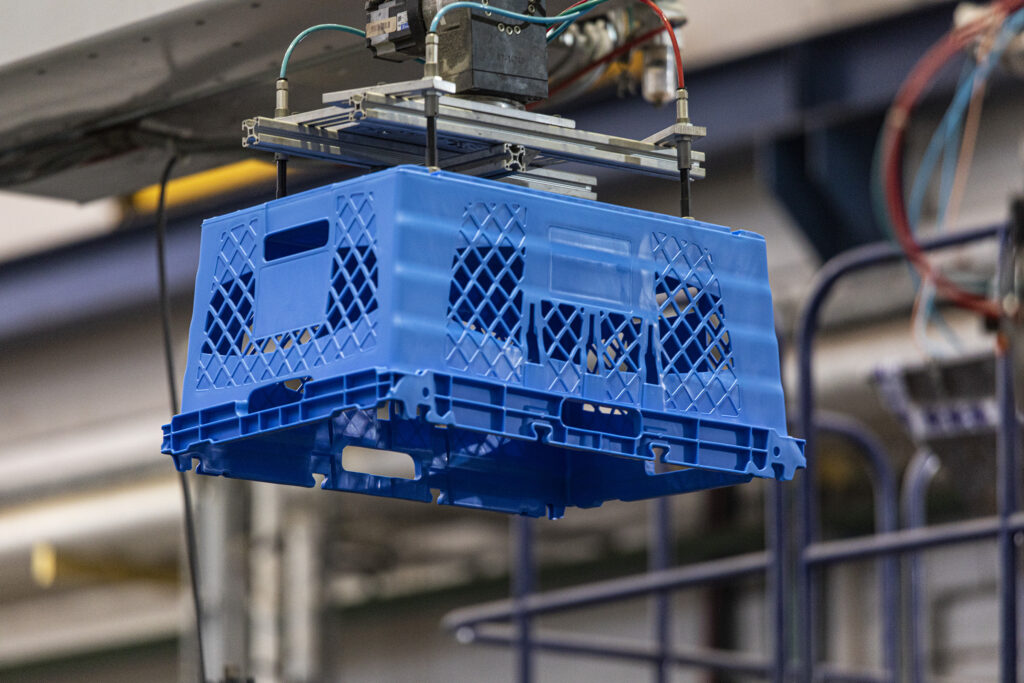
As a result, packaging is becoming a strategic part of supply chain infrastructure, and pooling is the model that is helping make it work at scale.
Looking Beyond the Purchase Price
As supply chains become more complex, companies are changing the way they evaluate packaging. Rather than comparing the purchase price of different load carriers, they are taking a broader view that considers Total Cost of Ownership (TCO) across the full lifecycle.
This means looking beyond the initial investment and considering packaging’s wider impact on operations. From handling, hygiene and efficiency to product protection, transport performance, compliance and sustainability, packaging influences far more than cost alone.
For food and beverage businesses, where product quality, availability and efficiency are critical, these factors can have a significant impact on overall performance. Packaging decisions influence how products move through manufacturing sites, distribution centres and retail environments, affecting everything from labour efficiency to waste reduction and service levels.
In this context, reusable pooling systems offer a more predictable cost model while helping businesses improve efficiency over the long term. Rather than purchasing, storing and maintaining large volumes of pallets, crates or containers, organisations can access a managed network of reusable assets that supports changing business requirements.
“Companies are no longer solely looking on purchase price. They are looking at the total value that packaging delivers across their operations. When you factor in handling, product protection, operational efficiency and long-term costs, packaging has become critical infrastructure for efficient, reliable supply chains,” explains Richard Evans, Director of Sales Downstream, Tosca.
Packaging Standardisation Drives Operational Performance
One of the clearest ways pooling improves supply chain performance is through standardisation.
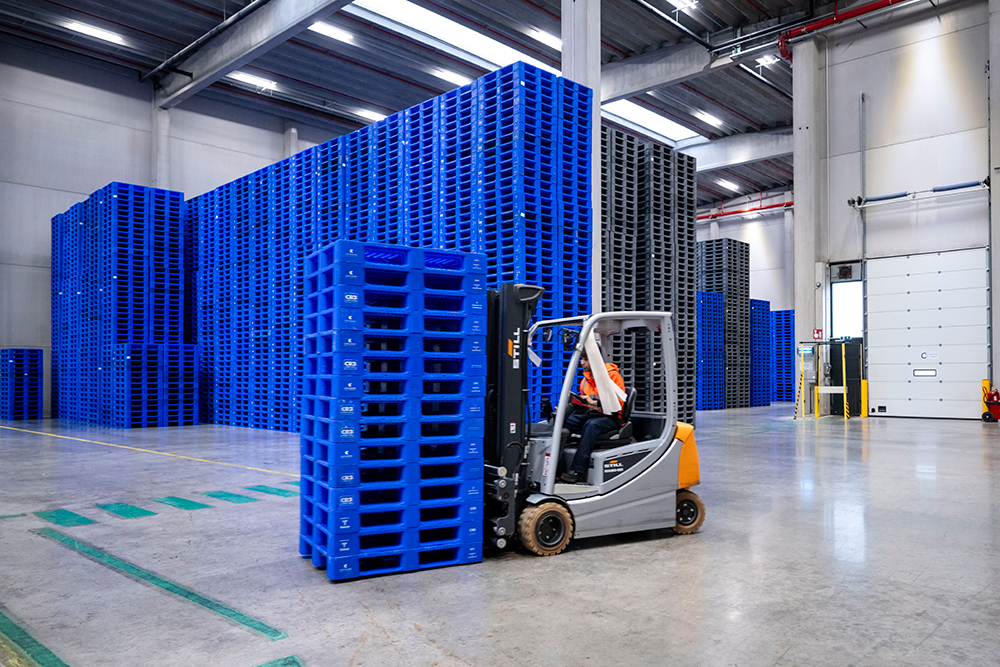
Consistent dimensions, asset quality and specifications help reduce handling issues, improve operational efficiency and support safer working environments. This is becoming increasingly important as food and retail businesses automate more processes, from unloading and storage to picking and packing.
Automated environments depend on packaging that performs reliably every time. Variations in size, weight or condition can increase stoppages, jams and downtime, while reusable plastic assets support smoother handling and reliable automated flows.
The benefits are equally visible in retail operations. Reusable crates and pallets can improve shelf replenishment, reduce packaging waste on the shop floor and simplify storage in space-limited stores. When empty, collapsible crates can be folded and stored efficiently, reducing time handling packaging.
Reusable plastic assets also support product protection and food safety. Durable plastic crates maintain their structure in temperature-variable environments, helping protect fresh products and meeting food safety requirements.
Flexibility Through an Established Pooling Network
While standardised assets improve day-to-day operations, the real strength of pooling lies in the network that supports them.
Instead of owning, storing and managing large volumes of load carriers, companies can access the assets they need where and when they need them. This flexibility becomes particularly valuable during seasonal peaks.
For food and beverage businesses, packaging availability can quickly become an operational challenge against changing production cycles, promotions and customer demand. Pooling helps address these by balancing demand across different industries and locations, enabling businesses to respond to changing requirements without investing in additional assets.
Tosca’s pooling network supports this model by managing the collection, inspection, washing, maintenance and redistribution of reusable assets, helping customers focus on their core operations while maintaining access to a consistent supply of high-quality load carriers.
Supporting Compliance and Sustainability Goals
Regulation is also accelerating the shift towards reusable systems. As Packaging and Packaging Waste Regulation (PPWR) and Extended Producer Responsibility (EPR) requirements increase pressure on companies to reduce waste and improve reusability, businesses are looking for practical ways to combine compliance with operational performance.
Reusable pooling systems help companies move beyond recycling-focused approaches towards more circular packaging models by keeping load carriers in circulation for repeated use. This allows organisations to integrate compliance and sustainability objectives into everyday operations – not as separate initiatives.
Building the Supply Chains of the Future
As retail, manufacturing and logistics networks become increasingly interconnected, pooling systems are expected to become more deeply embedded within supply chain operations. Greater digitalisation, automation and asset visibility will help businesses improve control, efficiency and responsiveness across their packaging flows.
With reusable plastic packaging, performance pooling and an established service network operating across Europe, Tosca is helping customers make that transition, transforming packaging from a procurement purchase into a strategic operational asset that supports long-term supply chain performance.
To find out more visit www.toscaltd.uk/contact