10 Things to Consider When Specifying Pneumatic Cylinders for Washdown Areas
Nuneaton, UK – [15/07/2026] – Camozzi Automation UK has outlined ten key factors engineers, OEMs and distributors should consider when specifying pneumatic cylinders for washdown environments.
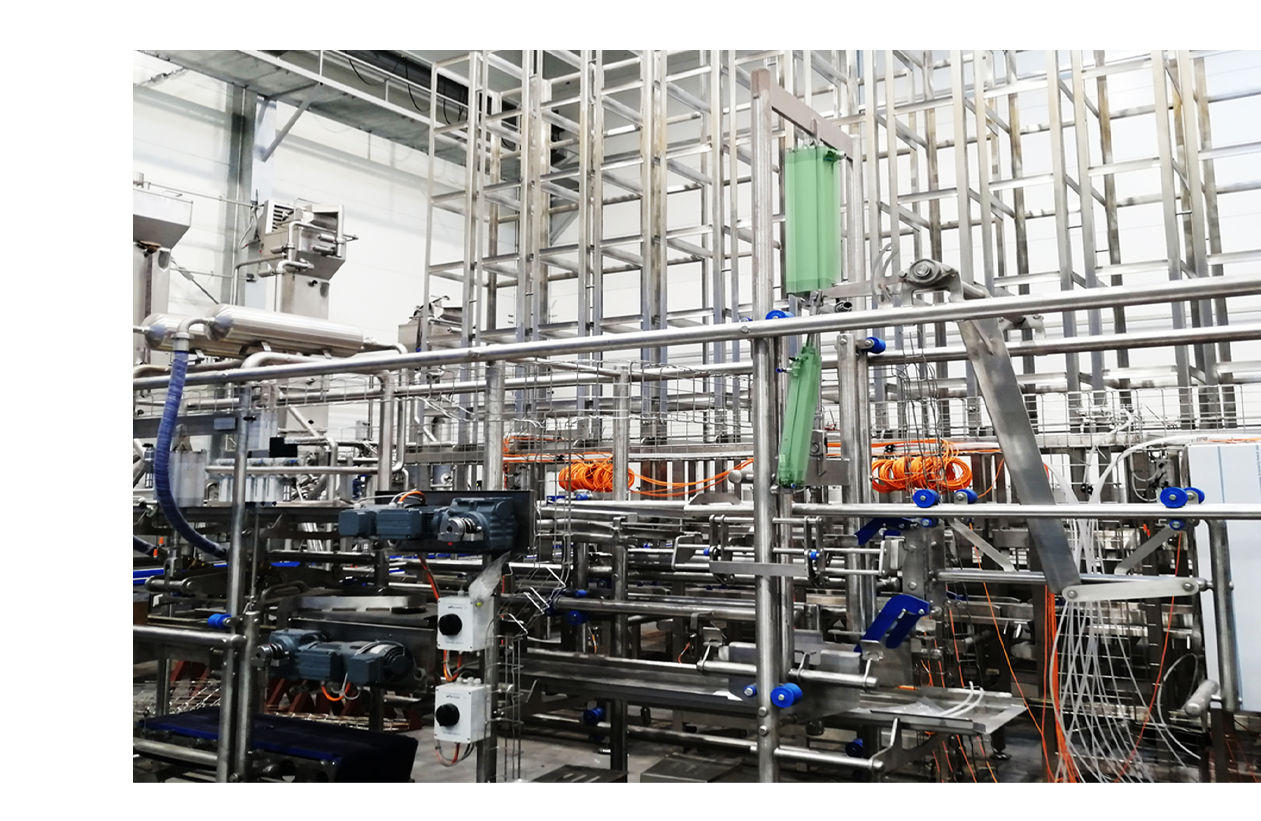
Pneumatic cylinders used in washdown areas will be exposed to water, cleaning chemicals, detergents, temperature changes and high-pressure spray. These conditions can accelerate corrosion, damage seals and allow contamination to collect around the cylinder body, piston rod and mounting points.
Selecting a cylinder based only on bore, stroke and mounting dimensions can therefore lead to premature failure, increased maintenance and unplanned downtime.
Camozzi Automation UK recommends considering the following ten areas before selecting an ISO-profile pneumatic cylinder for a washdown application.
- Understand the Washdown Process
Washdown conditions vary considerably. Some machinery may receive an occasional low-pressure rinse, while other equipment is cleaned daily using heated water, aggressive chemicals or high-pressure jets.
Engineers should establish the cleaning frequency, water pressure, temperature, spray direction, chemical concentration and expected contact time.
- Assess Direct Exposure
A cylinder protected behind guarding may require a different specification from one positioned directly within the wash zone.
The level and direction of exposure should be considered alongside the possibility of splash, vapour and cleaning-fluid run-off.
- Select the Correct Cylinder Construction
A standard aluminium-profile ISO cylinder may be suitable for light, occasional or indirect exposure.
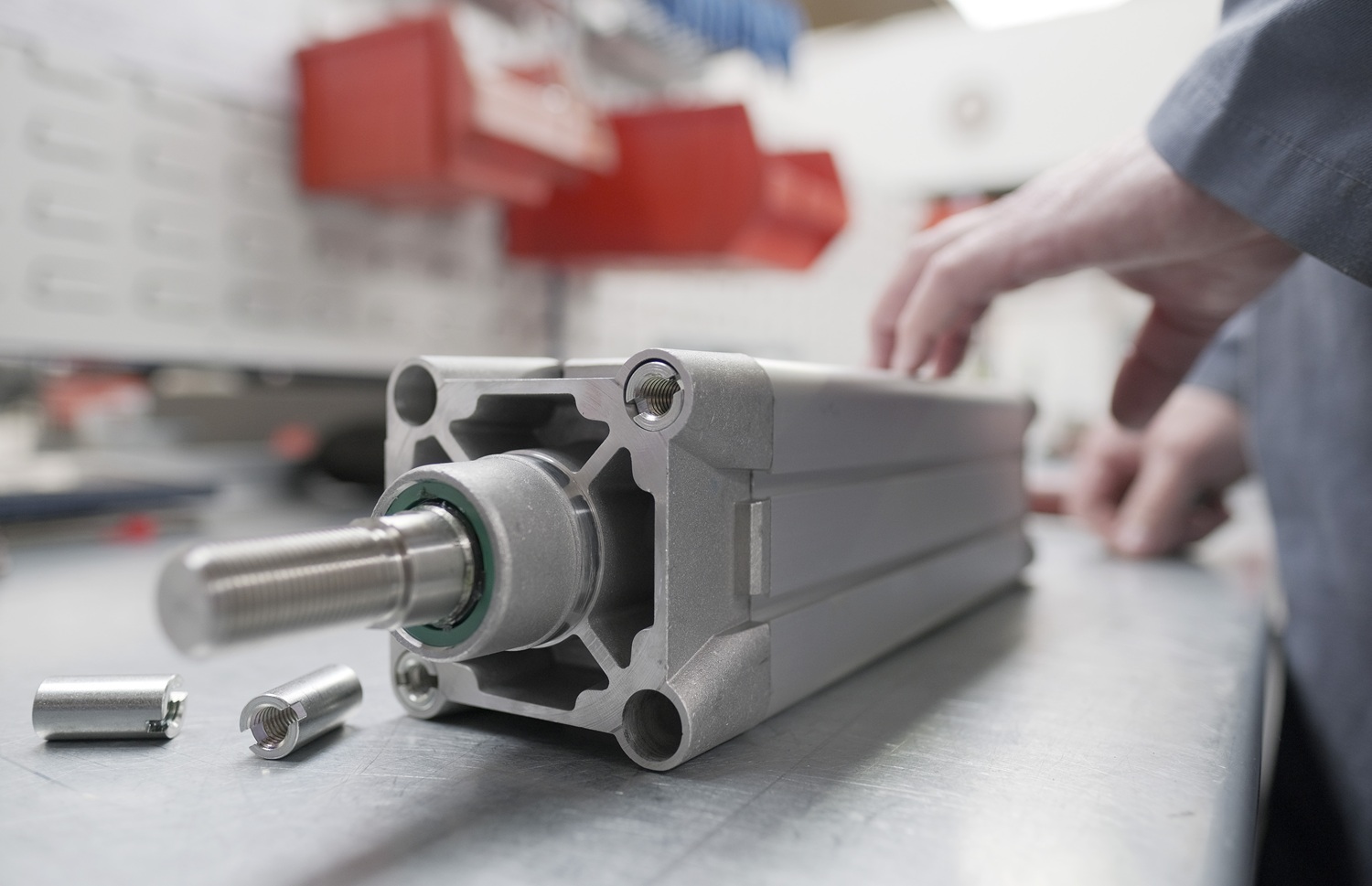
For more demanding environments, corrosion-resistant versions featuring stainless-steel piston rods, treated fasteners, protective coatings or alternative scrapers may provide a better balance between durability and cost.
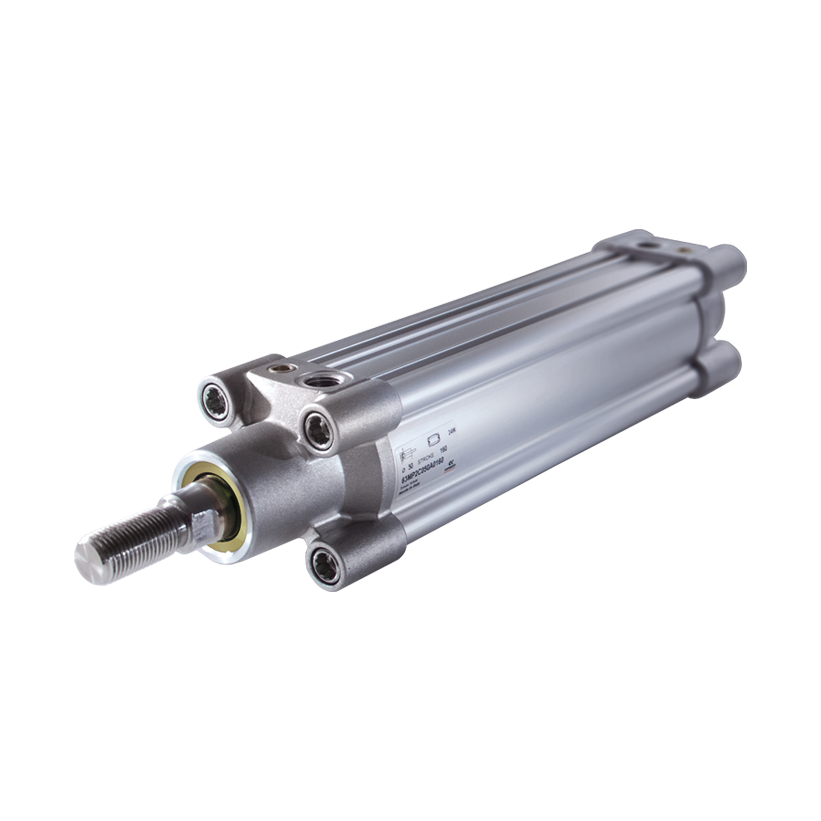
Camozzi Series 63 ISO 15552 cylinders are available in configurations developed for demanding conditions, including corrosion-resistant, hydrolytic, food and beverage, dirty and dusty, and polyurethane-coated versions.
- Consider Whether Stainless Steel Is Required
For intensive washdown or highly corrosive environments, a stainless-steel cylinder may be more appropriate.
Camozzi Series 90 cylinders comply with ISO 15552 and feature AISI 316 stainless-steel construction. They are designed for applications requiring high corrosion resistance, including food, marine and offshore environments.
However, “stainless steel” should not be treated as a complete specification. The precise grade and the materials used for the piston rod, fasteners and mountings should also be confirmed.
- Review the Complete Assembly
The service life of a pneumatic cylinder can be limited by its least resistant component.
The cylinder body, piston rod, fasteners, brackets, sensors, fittings, tubing and accessories should therefore be assessed as one complete assembly.
A stainless-steel cylinder fitted with standard plated-steel mounting hardware may still leave vulnerable points within the installation.
- Check Piston Rod Protection
The piston rod is one of the most exposed and operationally important parts of a cylinder.
Corrosion, scratching or contamination can damage the rod seal and allow contaminants to enter the actuator. Rod material, surface finish, direct spray exposure, scraper type and the risk of impact should all be considered.
Protective bellows or scraper seals will provide additional protection in some environments.
- Confirm Seal and Chemical Compatibility
A seal material that performs effectively with water may not tolerate alkaline cleaners, acids, disinfectants or elevated wash temperatures.
Chemical type, concentration, contact duration, operating temperature and cleaning frequency should be provided to the cylinder supplier so that the correct sealing arrangement can be selected.
- Avoid Water and Contamination Traps
Cylinder orientation and installation design can influence how effectively water drains away.
Open profile grooves, exposed threads, recessed fasteners and poorly positioned pneumatic ports may retain water or cleaning residues.
Unused grooves should be covered where practical, while tubing and fittings should be positioned to support drainage and effective cleaning.
- Protect Sensors and Pneumatic Connections
Sensors, cables, connectors, tubing and fittings must withstand the same washdown conditions as the cylinder.
The environmental and chemical resistance of magnetic sensors, cable glands, valve plugs, push-in fittings and pneumatic tubing should all be confirmed.
- Consider Maintenance and Failure Analysis
The cylinder should be positioned so that it can be inspected, cleaned and replaced without unnecessary disruption.
Where repeated failures occur, the underlying cause should be investigated rather than simply replacing the cylinder. Misalignment, side loading, unsuitable seals, poor air quality or chemical incompatibility may be contributing to the problem.
ISO Compliance Is Only Part of the Specification
ISO compliance confirms dimensional compatibility, but it does not guarantee identical materials, sealing systems or environmental performance.
Specifying a reliable cylinder for a washdown area requires engineers to consider the complete operating environment, including construction materials, chemicals, seals, accessories, drainage and maintenance access.
Camozzi Automation UK supports pneumatic component distributors, OEM engineers and plant automation teams with ISO-profile cylinders, stainless-steel cylinders, mounting accessories, sensors, fittings and air-preparation equipment.
To discuss a washdown application or request technical support with pneumatic cylinder selection, contact Camozzi Automation UK.
Boiler plate
Camozzi Automation, a member of the Camozzi Group, specialises in designing and realising products and solutions for industry.
Camozzi Automation’s offering includes motion and fluid control components, systems and technologies for industrial automation (such as packaging, food & beverage, plastics, robotics, printing & paper, textile machinery) and for the transportation and the life science sectors.
The company is also increasingly involved in the creation of IIOT (industrial internet of things) products and solutions. It works on both the digitalisation of production processes and the creation of smart components for real cyber-physical systems. This enables the integration of mechanical, electronic and digital elements, enabling constant improvements to process performance and the management of data.
Camozzi Automation – Driving Innovation in Industrial Solutions