Practical Strategies for Efficient, Sustainable Drying in Food Processing
As the food, beverage, and packaging sectors in the UK, Europe, and beyond continue to evolve, the demand for quality, sustainability, and cost-effective processes is at an all-time high. We each share the responsibility of navigating a landscape where efficiency and environmental stewardship are non-negotiable.
One area that underscores these challenges, yet offers vast opportunities, is dehydration. Whether you’re securing the shelf-life of premium snacks, crafting new ingredient formats, or upcycling surplus produce, how you dry matters as much as what you dry.
Persistent Challenges in Dehydration
Traditional dehydration methods, be it hot air or freeze-drying, come with systemic limitations:
- Energy consumption is high, amplifying both operational costs and environmental footprint.
- Extended drying times slow down throughput and can bottleneck production.
- Product quality can vary from batch to batch, impacting everything from flavor to texture and nutritional retention.
- Space and infrastructure requirements can be substantial, a pressing concern for facilities eyeing sustainability and scalability.
Our experience across projects has reaffirmed these are not merely technical hurdles, but strategic business concerns especially as customers and regulators raise the bar on eco-performance, transparency, and product excellence.
Maximizing Returns with Vacuum Microwave Dehydration (VMD)
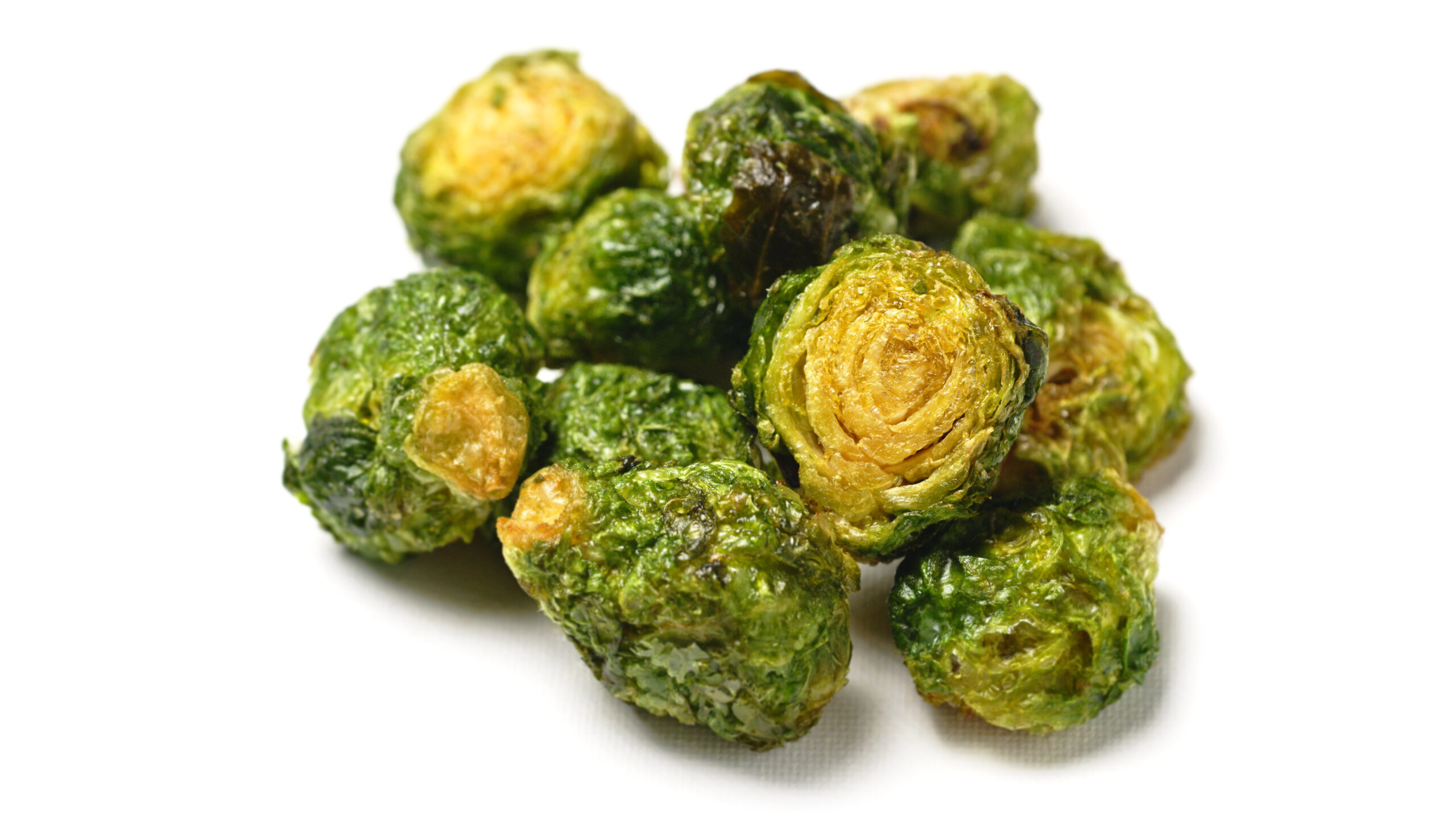
Let’s move from challenge to opportunity. Over the past several years, practical adoption of Vacuum Microwave Dehydration (VMD), particularly Enwave’s REV™ process, has yielded significant improvements for partners worldwide, offering insights that could be beneficial to your operations:
Reducing Drying Times and Energy Use
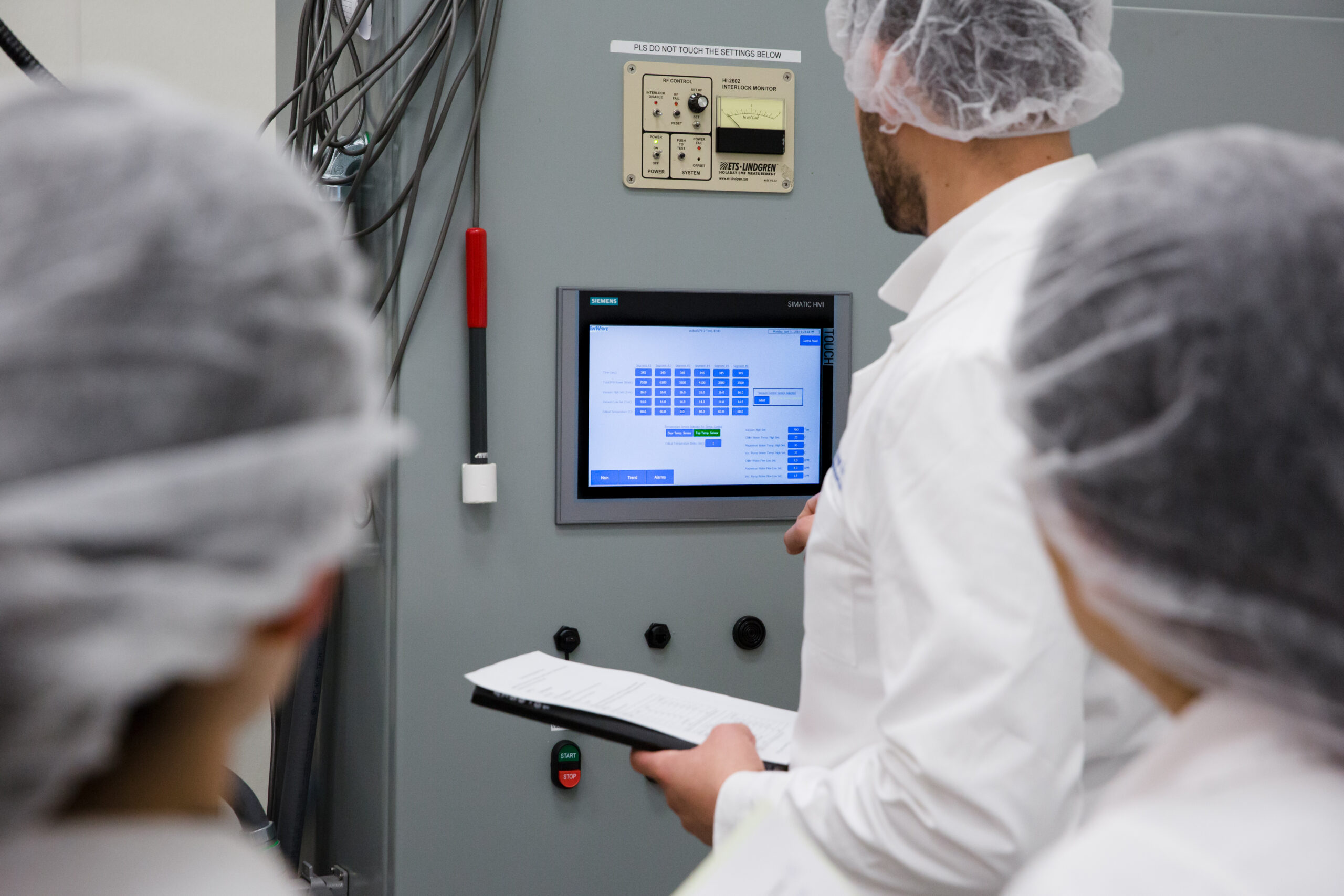
REV™ VMD allows for water removal up to 80 kg/hour or more at high energy efficiency (85-90% energy transfer), meaning you achieve finished, shelf-stable products up to 25x faster than freeze-drying, and with a significant reduction in energy draw relative to freeze or air-drying methods. Practical impact? Shorter cycles, reduced utility bills, and less strain on facility resources.
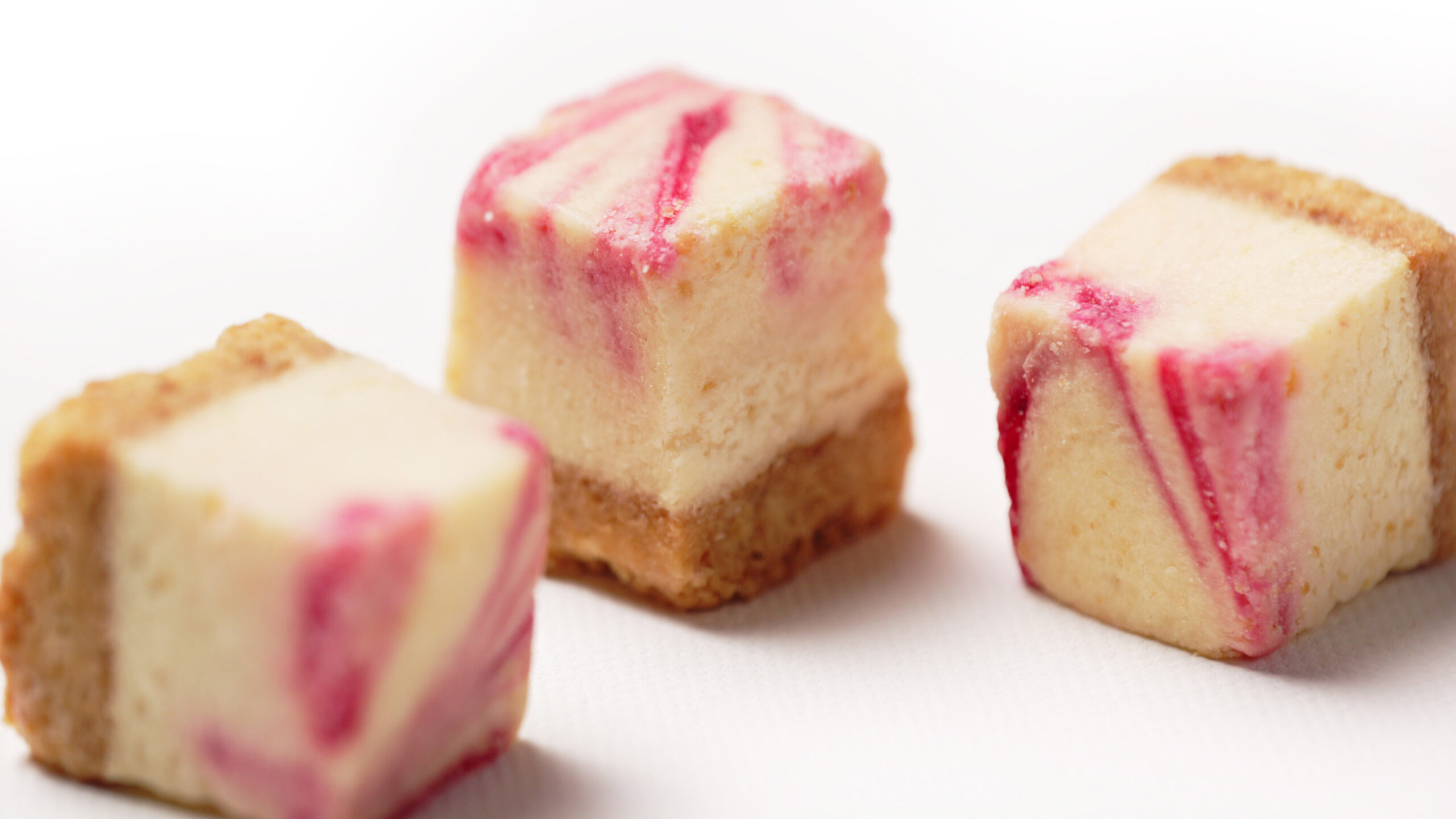
Consistent, High-Quality Output Every Batch
Uniform volumetric heating under vacuum ensures temperatures stay low and consistent, minimizing risk of over-drying or hot spots. This uniformity directly correlates with better taste, texture, and nutrient preservation, while also lowering the risk of pathogen survival due to reduced oxidation.
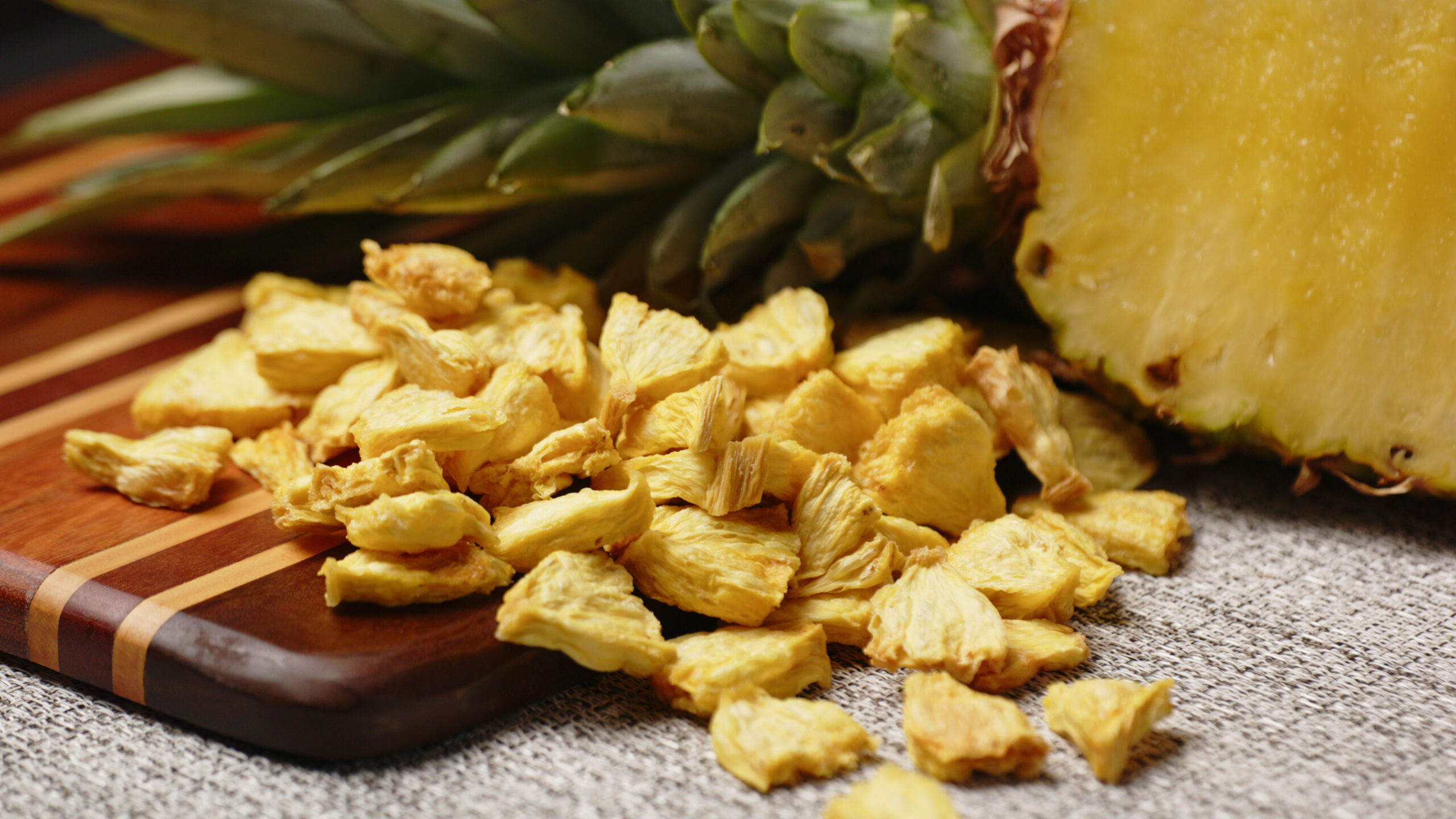
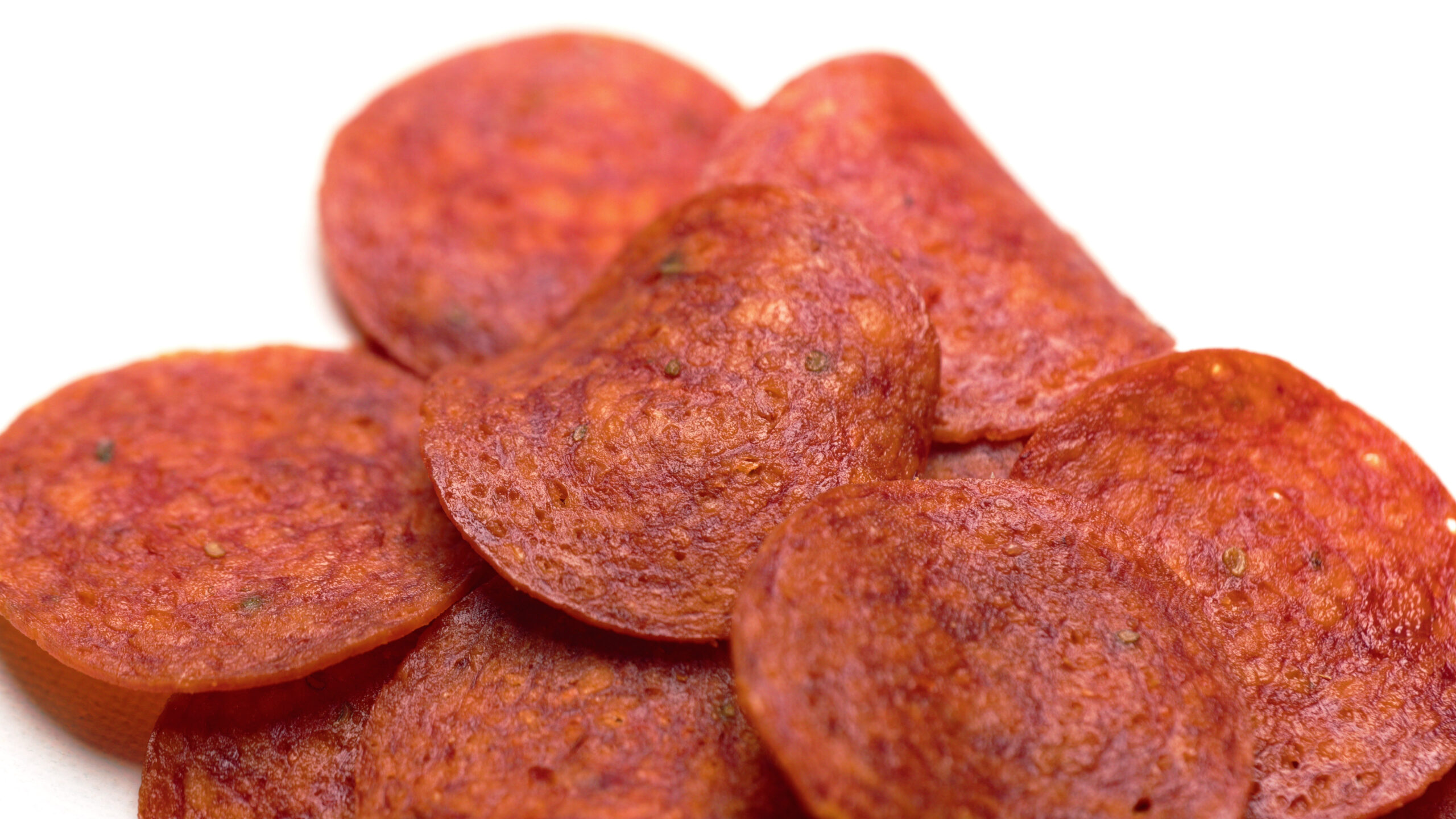
For high-value and sensitive ingredients like probiotic cultures, meat snacks, or fruit inclusions these gains can translate directly to product differentiation.
Reducing Carbon and Physical Footprints
REV™ systems offer up to 30% reduction in floor space versus many conventional dryers, supporting sustainability goals via a smaller operational footprint. With less waste output and lower overall utility demands, the transition now pays off both environmentally and financially.
Agility and Customization in Product Development
The VMD process is programmable, offering exceptional control over both the drying profile and final product characteristics. This enables rapid prototyping of new formats which, in our experience, is essential for R&D teams tasked with innovating in fast-moving markets.
Collaboration with equipment and process experts is key. Bringing process engineers into co-development from the outset accelerates learning cycles and derisks scale-up.
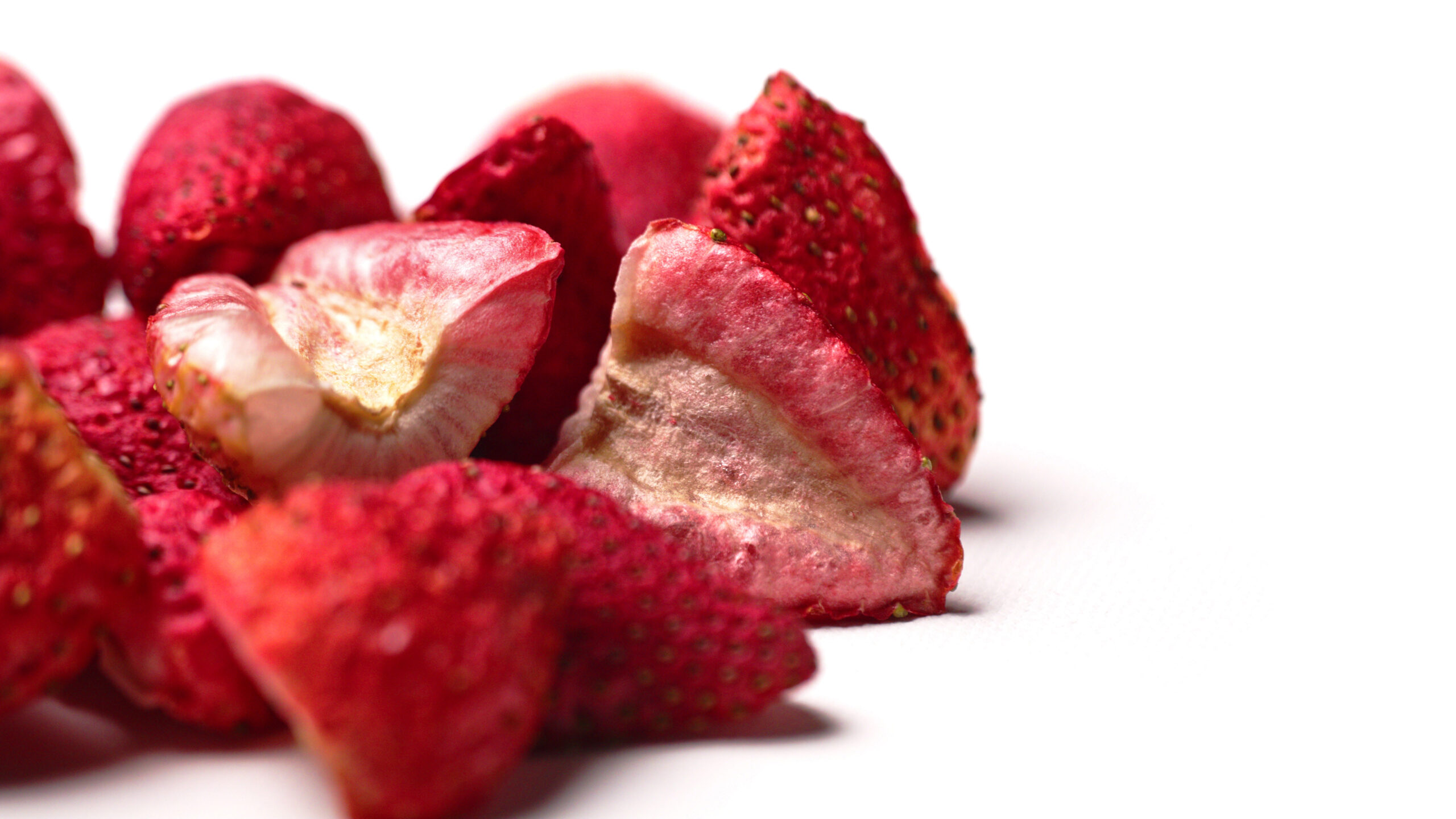
Learning from Real-World Partners
It’s not just about the technology, but the shared journey. EnWave Corporation stands out by offering more than just cutting-edge microwave drying solutions. Through our global network with over 50 partners across 24 countries, we help businesses access the crucial resources needed to innovate efficiently and scale effectively.
Actionable Takeaways for Your Next Project
- Audit current drying steps: Quantify your actual energy use, footprint, and quality metrics. Identify “hidden” bottlenecks or quality variances masked by batch-to-batch inconsistencies.
- Build a robust, cross-functional team: Involve colleagues from technical, commercial, and sustainability backgrounds when considering process improvements.
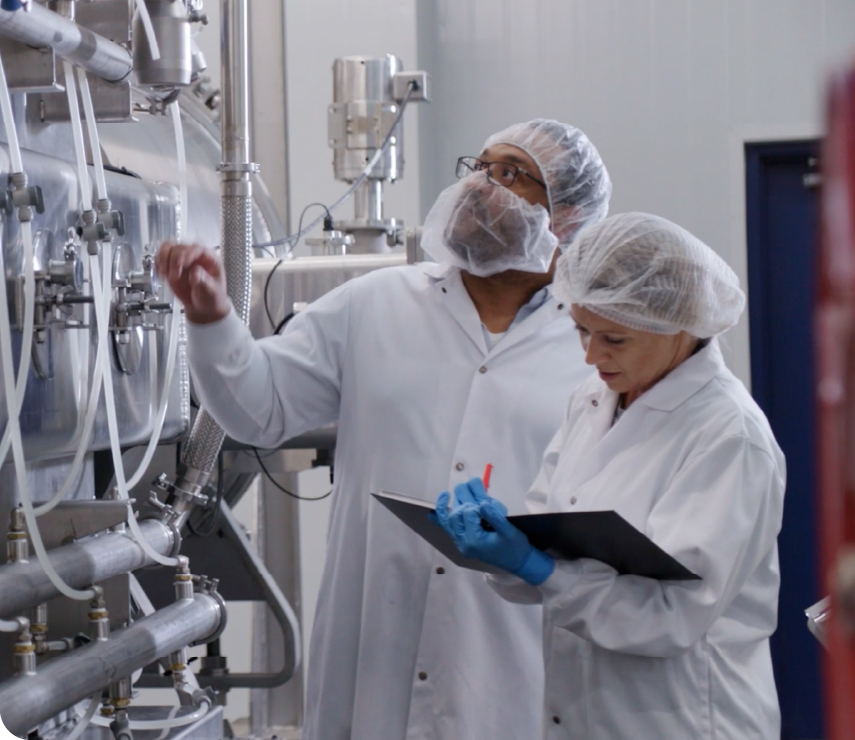
- Partner for trials: Pilot smarter drying systems on a small scale to measure real-world benefits using your own products. Many have found that involving R&D at this stage uncovers new applications and efficiencies not considered at the outset.
- Focus on measurable results: Set clear KPIs: energy per kilogram, drying time, batch consistency, waste generation, so you can articulate the true value of any process change to stakeholders.
Advances in dehydration are just one example of how incremental, insight-driven process changes drive measurable, positive outcomes in food manufacturing. By staying informed about what’s working and what isn’t across the sector, your business can remain agile, sustainable, and competitive even as challenges mount. Schedule a call to discuss your specific requirements and explore how our technology can help you achieve your objectives.