Turning Waste into Value: Smarter Waste Handling for Food Manufacturers
In food manufacturing, organic waste is unavoidable. However, the way waste is managed can significantly affect efficiency, operating costs and overall plant performance.
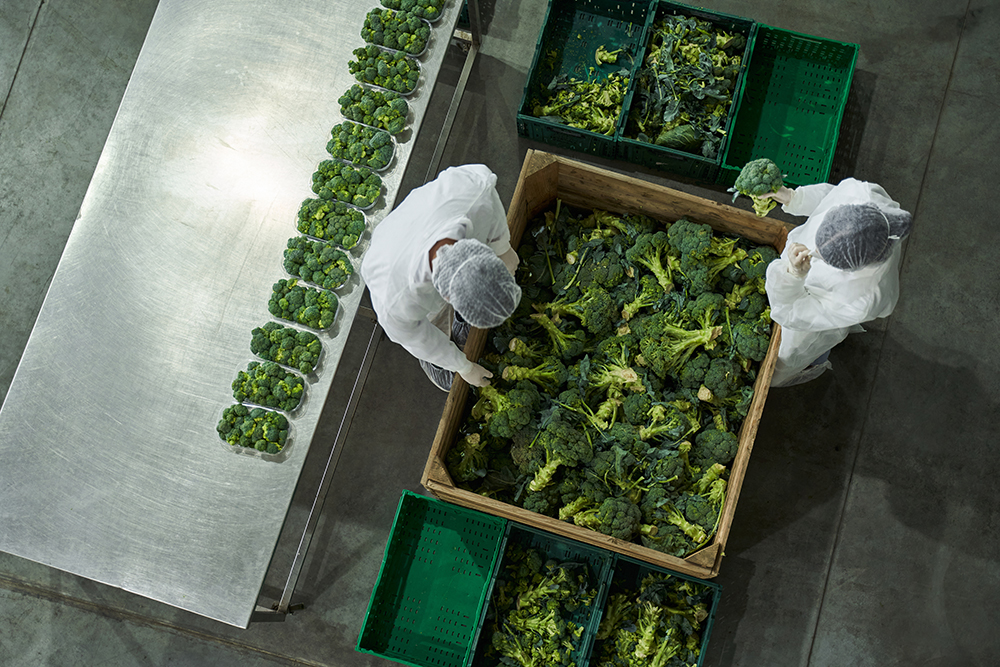
Every day, processors generate substantial quantities of peels, seeds and production leftovers. When handled manually, these materials can occupy valuable floor space, increase cleaning requirements and disrupt production workflows.
SEEPEX FlowShred makes food waste pumpable directly at the source.
A medium-sized vegetable processor in Austria experienced these challenges firsthand. Processing several tonnes of produce daily, the facility generated around 750kg of organic waste each day. Manual handling and storage requirements created ongoing operational inefficiencies.
“Previously, our waste handling processes were a constant source of disruption to daily operations,” recalls a plant manager. “Space requirements, hygiene demands and manual handling continuously slowed us down.”
Many manufacturers are now integrating waste handling directly into the production process. Rather than treating waste as a disposal problem, modern systems shred and homogenise organic materials, converting them into a pumpable suspension that can be conveyed automatically.
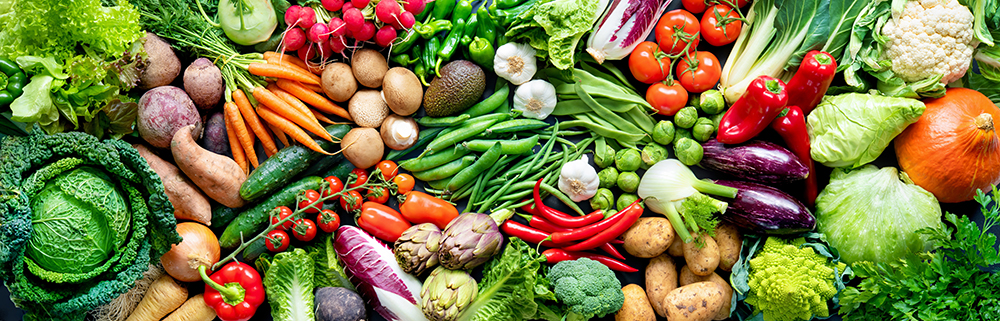
FlowShred reliably shreds fibrous, round, and hard vegetable materials.
“Many companies underestimate the extent to which waste streams affect overall operational performance,” says Bernd-Guntram Schulz, Product and Market Manager at SEEPEX. “When these streams are stabilised and controlled, the benefits can be seen across the entire operation.”
The process creates a continuous, predictable material flow, helping manufacturers manage diverse waste types, from soft fruit residues to fibrous materials and larger organic solids. By reducing blockages and manual intervention, facilities can improve process reliability while freeing valuable production space.
The benefits extend beyond operational efficiency. Automated waste handling can reduce disposal, labour and cleaning costs while supporting sustainability goals through fewer waste transport movements. Shredding can also improve the suitability of organic waste for resource recovery applications such as biogas production.
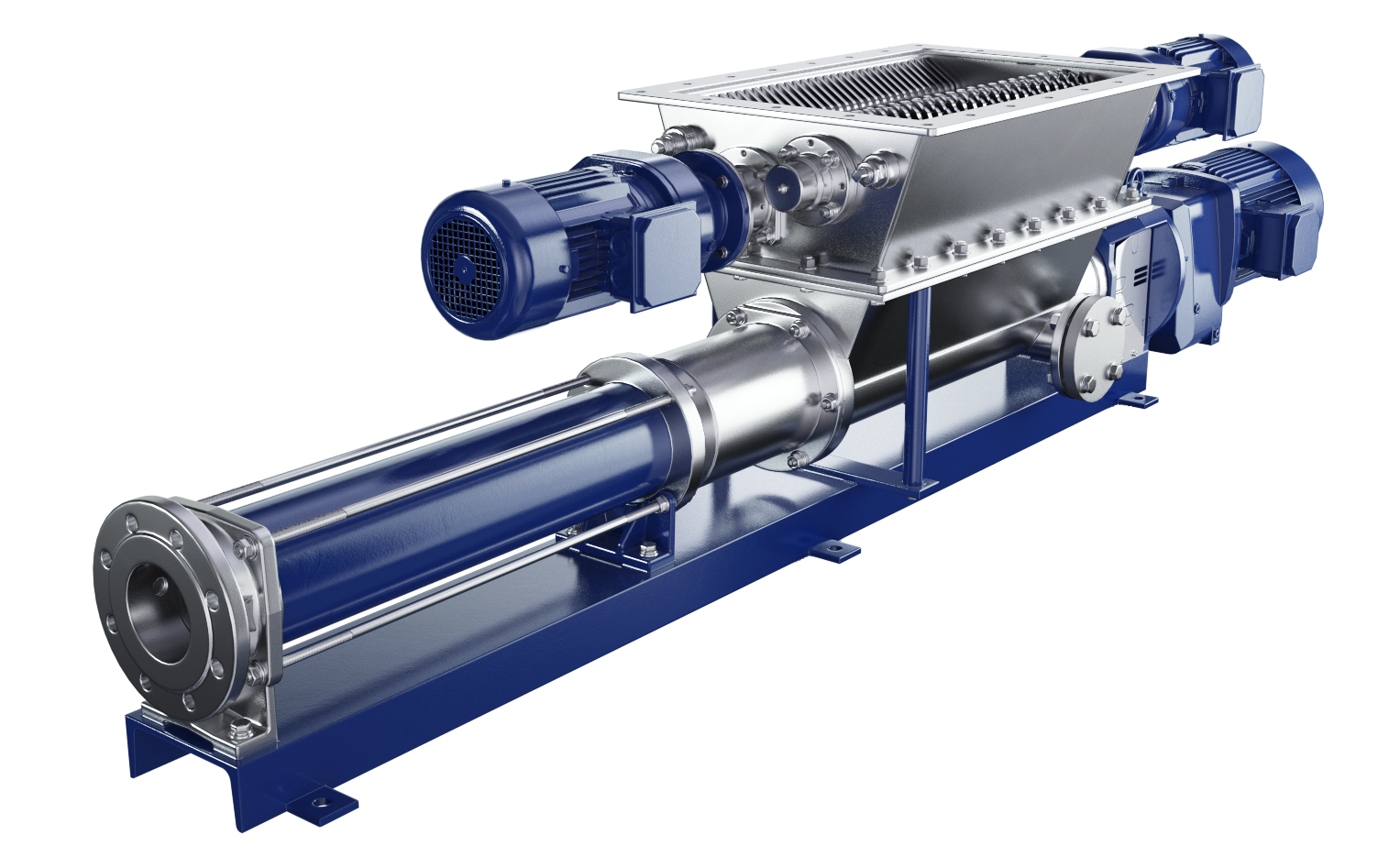
FlowShred combines a twin-shaft grinder with a progressive cavity pump.
For food and beverage manufacturers, reliable waste handling is increasingly becoming an important part of maintaining uptime and operational resilience.
“Our goal is to transform a disruption-prone process into a stable part of production,” says Schulz. “When waste handling operates reliably, companies are free to focus on their core business.”
Suitable for applications ranging from fruit and vegetable processing to meat, fish, frozen foods and commercial kitchens, integrated waste processing solutions are helping manufacturers create more efficient, resilient and sustainable operations.
As one plant manager concludes: “At the end of the day, it’s not just about disposing of waste – it’s about improving processes.”
Learn more: https://www.seepex.com/en/products/shredding-systems/flowshred-solid-conditioning-system/